
The low taper mullet has become one of the most talked-about hairstyles in modern barber culture. Blending the sharp cleanliness of a low taper fade with the bold, rebellious structure of a mullet, this haircut strikes the perfect balance between professional and edgy. It is no longer just a throwback to the 80s—it has evolved into a modern fashion statement seen across social media, street style, and barbershops worldwide. In this guide, we’ll break down everything you need to know about the low taper mullet, from its structure and variations to styling tips and maintenance.
The low taper mullet is a hybrid haircut that combines two distinct styles: a subtle taper fade starting low around the ears and neckline, and the longer back section that defines a mullet. This contrast creates a clean yet expressive silhouette that works across different hair types and personal styles.
What makes this haircut especially appealing is its adaptability. Unlike traditional mullets that can look extreme, the low taper version softens the overall appearance, making it more wearable in everyday settings. It bridges the gap between modern grooming standards and bold individuality, which is why it continues to trend among younger audiences and fashion-forward individuals.
Social media platforms have played a huge role in reviving this style. Viral haircut videos and influencer culture have turned the low taper mullet into a symbol of confidence and creativity. It is now seen not just as a haircut, but as a personal identity statement.
Understanding the Low Taper Fade Element
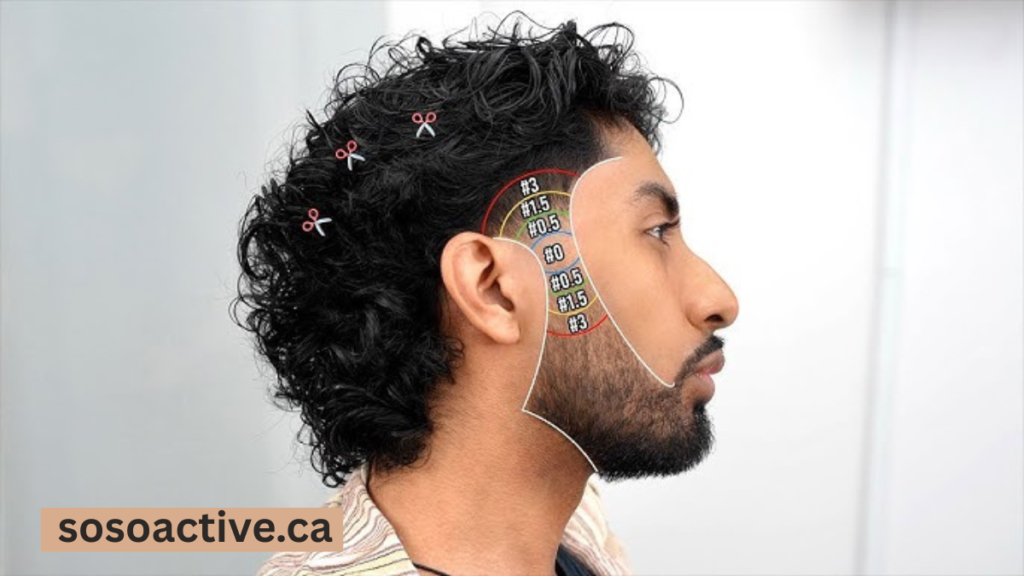
The foundation of the low taper mullet lies in the taper fade. A low taper fade gradually shortens the hair around the sideburns and neckline while keeping the transition smooth and subtle. Unlike high fades, which are more dramatic, the low taper maintains a natural and clean finish.
This gradual blending is what makes the mullet more refined. Instead of a harsh disconnect between short and long hair, the taper creates a soft transition that enhances the overall shape. Barbers often prefer this method because it allows more control and customization based on head shape and hair texture.
The difference between low, mid, and high tapers is important. A low taper sits closest to the ear and neckline, making it the most conservative and versatile option. When paired with a mullet, it keeps the hairstyle modern without losing its edgy character. This balance is why the low taper mullet has become a go-to choice for many.
Variations of the Low Taper Mullet
One of the strongest features of the low taper mullet is its versatility. It can be adapted into multiple variations depending on personal style and hair type. The classic version maintains a simple, clean taper with a moderate length at the back, offering a balanced and timeless look.
For those who prefer texture, the textured low taper mullet adds movement and volume, often styled with sea salt spray or matte products. Curly-haired individuals can embrace their natural texture, creating a more voluminous and dynamic shape that enhances the mullet’s flow.
A modern shaggy version leans into a more relaxed and effortless appearance, often seen in fashion-forward circles. On the other hand, the skin fade variation introduces a sharper contrast, giving a bolder and more defined finish.
Even subtle professional versions exist, where the mullet is less dramatic and more blended, making it suitable for work environments while still retaining personality. This flexibility is what makes the haircut universally appealing.
Who Should Get a Low Taper Mullet?
The low taper mullet is surprisingly versatile when it comes to face shapes and hair types. It works well for oval, square, and slightly round faces because the taper helps frame the sides while the back adds length and balance. This creates a more structured appearance without overwhelming facial features.
Hair type also plays a big role. Straight hair gives a sleek and controlled finish, while wavy and curly hair enhance volume and texture. Thicker hair tends to hold the mullet shape better, but even finer hair can be styled effectively with the right products and cutting technique.
Lifestyle considerations matter too. While the low taper mullet is expressive, its cleaner taper makes it more acceptable in semi-professional environments compared to traditional mullets. It is ideal for individuals who want a bold hairstyle without completely sacrificing a neat appearance.
How to Ask Your Barber for a Low Taper Mullet
Communication with your barber is essential when getting a low taper mullet. Start by clearly mentioning that you want a low taper fade combined with a mullet shape. Bringing reference images is highly recommended, as it helps eliminate confusion and ensures the desired outcome.
Be specific about length preferences—especially the back section of the mullet. Some prefer a subtle extension, while others go for a more dramatic look. Also, clarify how tight or soft you want the taper to be.
Avoid vague descriptions, as this can lead to inconsistent results. A good barber will also adjust the cut based on your head shape and hair density, ensuring the style suits you personally rather than just following a trend.
Styling and Maintenance Tips
Styling the low taper mullet is relatively simple but requires consistency. A light styling product such as matte clay or sea salt spray can help enhance texture without making the hair stiff. For a more polished look, a blow dryer can be used to add volume at the back while keeping the sides controlled.
Maintenance is key to keeping the taper clean. Visiting your barber every 2–3 weeks helps maintain the fade’s sharpness, while the mullet length can be trimmed less frequently depending on preference.
Daily care should include basic washing and conditioning to keep hair healthy and manageable. Overusing heavy products should be avoided, as it can weigh down the natural movement of the hairstyle.
Celebrity and Pop Culture Influence
The resurgence of the low taper mullet is heavily influenced by pop culture. Athletes, musicians, and social media personalities have all contributed to its popularity. Platforms like TikTok and Instagram have amplified its visibility, making it one of the most requested modern hairstyles in barbershops.
The style also draws inspiration from 80s and 90s fashion, but with a cleaner and more refined twist. This fusion of old and new has helped it stay relevant in today’s trend-driven grooming culture.
Pros and Cons of the Low Taper Mullet
The biggest advantage of the low taper mullet is its balance between boldness and cleanliness. It allows self-expression without appearing overly extreme. It also works across various hair types and can be customized easily.
However, it does require some upkeep. While the taper is low-maintenance compared to high fades, the mullet section still needs occasional trimming to maintain shape. It may also not suit very conservative environments.
Conclusion
The low taper mullet is more than just a hairstyle—it is a modern reinterpretation of a classic look. It blends structure and freedom, allowing individuals to express personality while maintaining a clean and stylish appearance. Its adaptability, cultural relevance, and versatility make it one of the standout hair trends of recent years.
Whether you prefer a subtle or bold version, this haircut offers endless customization. With the right barber and proper maintenance, the low taper mullet can be a powerful style statement that stands out in any crowd.