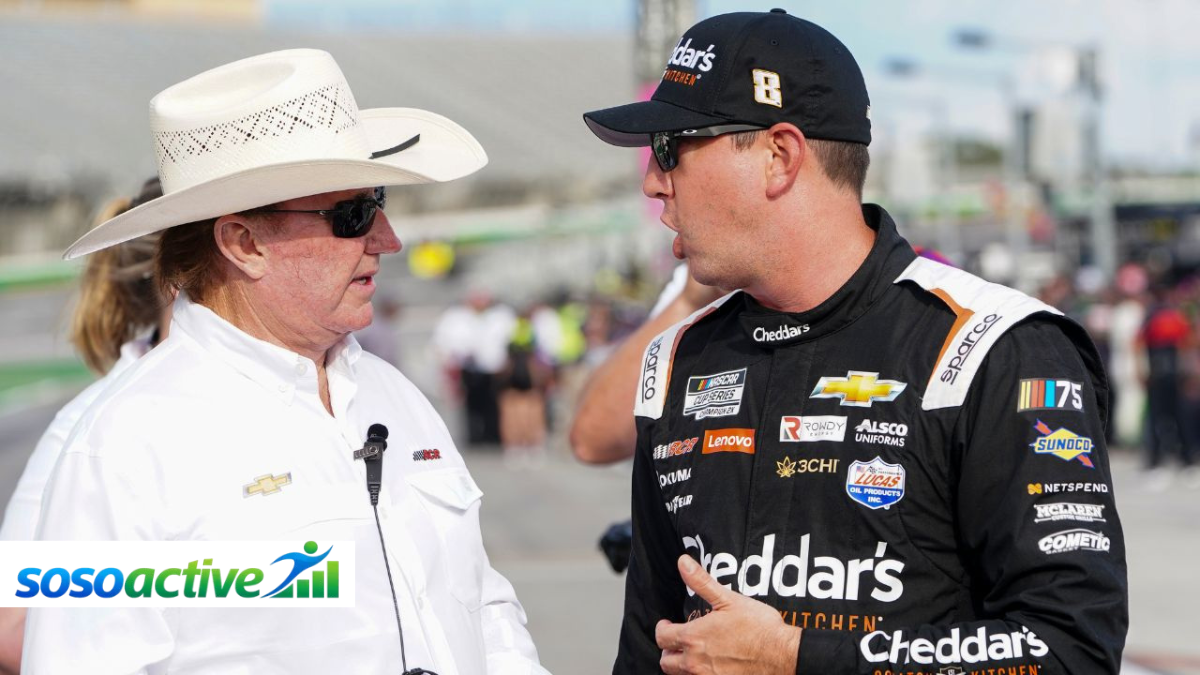
The Richard Childress Kyle Busch Dover storyline became one of the most discussed topics in recent NASCAR conversation due to the blend of competitive pressure, leadership expectations, and race-day intensity. In a sport where milliseconds define outcomes and emotions often run high, Dover Motor Speedway once again became the backdrop for tension that extended beyond the track itself.
Dover Motor Speedway is known as one of NASCAR’s most demanding circuits, often exposing both mechanical weaknesses and emotional strain. When combined with the high expectations of a top-tier team like Richard Childress Racing, even small mistakes or miscommunications can escalate into major talking points.
At the center of this narrative is the partnership dynamic between veteran team owner Richard Childress and star driver Kyle Busch. Their relationship represents the balance between leadership discipline and elite-level competitiveness, where success depends not only on speed but also on trust and communication.
Key Figures Behind the Richard Childress Kyle Busch Dover Narrative
Richard Childress and His Leadership Identity
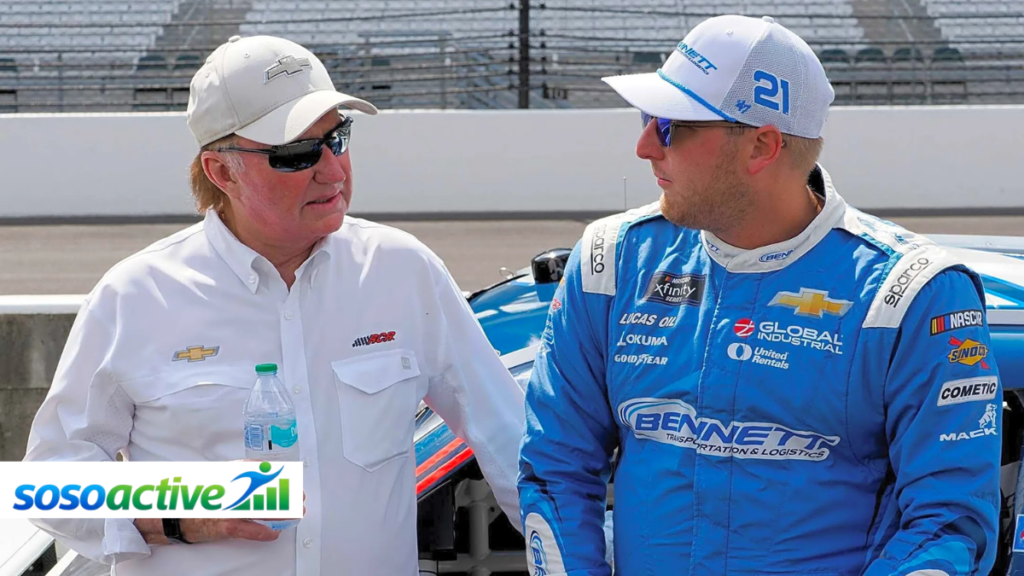
Richard childress kyle busch dover is one of NASCAR’s most influential team owners, known for his disciplined leadership style and long-term commitment to building competitive teams. His approach has always emphasized accountability, structure, and performance consistency, which has helped shape the identity of Richard Childress Racing over decades.
Within high-pressure race environments, Childress is recognized for expecting professionalism both on and off the track. This leadership style often becomes especially visible during challenging weekends like Dover, where performance gaps and strategic disagreements tend to surface more clearly. His decisions are typically guided by long-term team success rather than short-term emotional reactions.
In the context of the Dover situation, Childress represents the organizational voice—focused on results, stability, and protecting the team’s competitive direction in a highly demanding NASCAR season.
Kyle Busch and His Competitive Drive
Kyle Busch is widely regarded as one of the most aggressive and skilled drivers in modern NASCAR. Known for his intense competitive mindset, Busch thrives under pressure but also demands high performance from both his equipment and team execution.
Since joining Richard Childress Racing, expectations surrounding Busch have been significant. Fans and analysts alike expected immediate race wins and strong championship contention. However, NASCAR is unpredictable, and even elite drivers face setbacks related to setup, pit strategy, or track conditions.
At Dover, Busch’s frustration—whether due to car performance, strategy calls, or race positioning—reflects the natural tension that comes when a driver with championship ambition faces obstacles in execution.
Dover Motor Speedway: A Track That Amplifies Pressure
Why Dover Creates High-Intensity Racing
Dover Motor Speedway is often called “The Monster Mile,” a nickname that reflects both its concrete surface and its unforgiving racing conditions. The track’s steep banking and tight racing lines require precision, patience, and tire management, making it one of the most physically and mentally demanding venues in NASCAR.
Drivers often experience elevated stress levels at Dover because the margin for error is extremely small. A single misjudgment can result in significant position loss or damage, which adds to the emotional intensity of the race.
Why Dover Often Produces Emotional Reactions
Beyond technical challenges, Dover has a history of producing heated radio exchanges, strategic disagreements, and post-race frustration. Teams must constantly adjust strategy based on tire wear and track evolution, which can lead to differing opinions between drivers and crew chiefs.
This environment sets the stage for situations like the Richard Childress Kyle Busch Dover narrative, where performance pressure and communication expectations collide.
Breaking Down the Richard Childress Kyle Busch Dover Situation
On-Track Challenges and Competitive Strain
During the Dover race weekend, the core tension stemmed from performance expectations not fully aligning with on-track results. Whether due to setup limitations, pit timing, or track position, the team faced challenges that prevented optimal execution.
In NASCAR, such situations often create frustration for drivers who feel they are maximizing effort but not receiving competitive results. For Busch, this type of environment can quickly become emotionally charged, especially when championship implications are involved.
Team Communication and Post-Race Atmosphere
Inside the garage and over the radio, communication plays a critical role in managing stress and adjusting strategy. In high-pressure moments like Dover, small misunderstandings can feel amplified due to the stakes involved.
Post-race reactions typically focus on analyzing what went wrong and identifying whether the issue stemmed from strategy, execution, or external race conditions. For Richard Childress Racing, these discussions are essential for maintaining long-term competitiveness.
Leadership vs. Emotion: Understanding Both Perspectives
Richard Childress’ Organizational Focus
For Richard Childress, the priority is maintaining structure and discipline within the team. His leadership style emphasizes accountability and long-term consistency, especially during challenging weekends like Dover.
From a management perspective, emotional reactions are often secondary to performance evaluation. The goal is to ensure that the team remains focused on improvement rather than short-term frustration.
Kyle Busch’s High-Performance Mindset
Busch operates in a high-intensity competitive space where winning is the primary objective. When results do not match expectations, emotional responses are a natural outcome of his deep commitment to performance.
This contrast between structured leadership and aggressive competitiveness is what makes the Richard Childress Kyle Busch Dover storyline particularly compelling.
Impact on Richard Childress Racing
The Dover situation, regardless of specific outcomes, highlights the ongoing challenge of aligning team expectations with driver ambition. Richard Childress Racing must continuously balance technical performance, communication clarity, and emotional management.
In the short term, such moments can influence team morale and strategy adjustments. However, in the long term, they often serve as learning opportunities that strengthen coordination and resilience.
For a competitive organization, these experiences are part of the broader process of building a championship-caliber program.
Fan and Media Reaction
NASCAR fans are known for their passionate engagement, and the Richard Childress Kyle Busch Dover narrative quickly became a discussion point across social media and racing forums. Some fans emphasized the importance of accountability, while others highlighted the pressure drivers face in elite competition.
Media coverage often focused on the dynamic between driver aggression and team leadership philosophy. This duality is a recurring theme in NASCAR, where success depends heavily on both human decision-making and mechanical performance.
What This Means for the Rest of the Season
The long-term implications of the Dover situation depend on how effectively Richard Childress Racing and Kyle Busch translate lessons into performance improvements. In NASCAR, even tense moments can become catalysts for stronger results if properly addressed.
If communication improves and race execution becomes more consistent, the team can still remain competitive throughout the season. However, continued inconsistencies could place additional pressure on both leadership and driver dynamics.
Conclusion
The Richard Childress Kyle Busch Dover storyline is more than just a race weekend incident—it reflects the broader realities of NASCAR competition, where leadership, emotion, and performance intersect under extreme pressure. Dover Motor Speedway once again proved to be a stage where strengths and weaknesses are exposed simultaneously.
While tensions are natural in high-performance environments, they also create opportunities for growth, adaptation, and renewed focus. For Richard Childress Racing and Kyle Busch, the key takeaway lies in turning pressure into progress as the season continues.